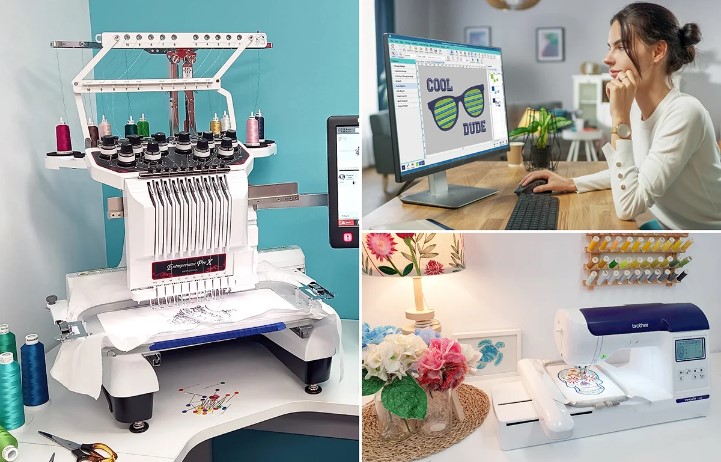
Embroidery is a great way to turn artwork, logos, and images into lasting designs on fabric. Many businesses, sports teams, schools, and clothing brands use embroidery because it looks professional and lasts a long time. However, before an embroidery machine can stitch a design, the artwork must go through a detailed preparation process.
Many people search for Photo to JAN Embroidery File Conversion when they want to transform a picture into an embroidery design. While changing the file format is one part of the process, creating a machine-ready embroidery file involves much more. A photo must be reviewed, cleaned, adjusted, and digitized so the embroidery machine can understand how to stitch it properly.
From years of experience in the embroidery industry, one thing becomes very clear. High-quality embroidery starts with proper preparation. Even the best embroidery machine cannot produce great results if the design file is not prepared correctly. Every stitch must be planned carefully to ensure the final embroidery looks clean, accurate, and professional.
In this article, we will explain how digital photos become machine-ready embroidery designs and why each step plays an important role in embroidery quality.
Understanding Digital Photos
Every embroidery project begins with artwork.
Many projects start with a photo.
What Is a Digital Photo?
A digital photo is an image created by a camera or mobile device.
Photos contain visual information such as:
- Colors
- Shapes
- Shadows
- Details
- Backgrounds
Photos Are Different From Embroidery Files
An embroidery machine cannot read a photo directly.
Photos only show what the image looks like.
They do not contain stitch instructions.
Why Photos Need Preparation
Before stitching can begin, the image must be converted into a format the embroidery machine can understand.
This requires careful planning and digitizing.
Why Embroidery Machines Need Special Files
Embroidery machines use stitch files.
These files are very different from image files.
Image Files Use Pixels
Photos are made from tiny pixels.
Pixels help display the image on a screen.
Embroidery Files Use Stitch Data
Embroidery files contain instructions such as:
- Stitch location
- Stitch type
- Stitch angle
- Thread color
- Stitch order
Machines Follow Instructions
The embroidery machine reads the stitch file and follows the instructions exactly.
Without proper stitch data, embroidery cannot be created correctly.
The First Step: Reviewing the Photo
A professional review is always the starting point.
Studying the Design
The digitizer examines:
- Colors
- Details
- Shapes
- Text
- Background elements
Identifying Challenges
Some photos contain details that may not stitch well.
These areas must be adjusted.
Planning the Project
A strategy is created before digitizing begins.
This helps improve the final result.
Cleaning the Artwork
Most photos need editing before digitizing.
Removing Unwanted Elements
Background clutter may be removed.
Improving Clarity
Blurry sections may need improvement.
Simplifying Details
Some details work well in photos but not in embroidery.
Cleaning helps prepare the design for stitching.
Why Simplification Is Important
Embroidery has limitations.
Not every photo detail can be stitched.
Small Details Can Be Difficult
Tiny elements may disappear during stitching.
Fine Lines May Need Changes
Thread requires enough space to form shapes.
Simplified Designs Stitch Better
Removing unnecessary details often improves quality.
Professional digitizers know which details should stay and which should be adjusted.
Understanding Embroidery Digitizing
Digitizing is one of the most important steps.
What Is Digitizing?
Digitizing converts artwork into stitch instructions.
More Than File Conversion
Digitizing is not automatic.
It requires skill and experience.
Creating Every Stitch
The digitizer decides:
- Stitch types
- Stitch directions
- Stitch order
- Density settings
Good digitizing creates better embroidery.
Choosing the Right Stitch Types
Different areas of a design require different stitch styles.
Satin Stitches
Used for:
- Text
- Borders
- Small details
Fill Stitches
Used for larger sections.
Running Stitches
Used for outlines and fine details.
Matching Stitches to the Design
Choosing the correct stitch type improves appearance and durability.
Why Stitch Direction Matters
Stitch direction affects the final look.
Creating Visual Depth
Different stitch angles create dimension.
Defining Design Areas
Direction helps separate shapes.
Improving Quality
Balanced stitch directions reduce distortion.
Professional planning creates cleaner embroidery.
Understanding Stitch Density
Density refers to stitch spacing.
High Density Problems
Too many stitches can cause:
- Thread breaks
- Fabric puckering
- Heavy embroidery
Low Density Problems
Too few stitches can create gaps.
Finding the Right Balance
Professional digitizers adjust density for each design.
Balanced density improves quality and performance.
The Importance of Underlay
Underlay stitches support the design.
Building a Foundation
Underlay helps stabilize embroidery.
Supporting Top Stitches
Top stitches look cleaner when supported properly.
Improving Durability
Strong underlay increases design strength.
Professional digitizing always considers underlay.
Considering Fabric Type
Different fabrics require different approaches.
Cotton Fabrics
Usually provide stable stitching surfaces.
Stretch Fabrics
Need extra support and adjustments.
Hats and Caps
Curved surfaces require special planning.
Thick Materials
Heavy fabrics may need different settings.
Fabric type affects digitizing decisions.
Selecting Thread Colors
Thread colors influence the final appearance.
Matching the Original Photo
Color choices should support the artwork.
Maintaining Brand Identity
Business logos require accurate colors.
Improving Visibility
Good contrast improves readability.
Color planning improves visual quality.
Creating a Sample Stitch-Out
Testing is an important quality step.
Why Testing Matters
Even great files should be tested.
Finding Hidden Problems
Testing may reveal:
- Density issues
- Distortion
- Thread problems
- Lettering concerns
Making Improvements
Adjustments can be made before production.
Testing helps prevent mistakes.
Preparing Designs for Different Sizes
Embroidery designs are often resized.
Small Designs
Need simpler details.
Large Designs
Require balanced stitch coverage.
Maintaining Quality
Each size should remain clean and readable.
Professional planning supports consistency.
Common Problems Caused by Poor Preparation
Skipping preparation often creates issues.
Uneven Stitching
The design may appear inconsistent.
Distorted Shapes
Logos may lose accuracy.
Poor Text Quality
Small letters may become unreadable.
Increased Production Problems
Machines may stop more often.
Good preparation reduces these risks.
Supporting Production Efficiency
Quality files help machines perform better.
Fewer Machine Stops
Balanced stitch paths reduce interruptions.
Better Stitch Flow
The machine runs more smoothly.
Faster Production
Efficient files improve workflow.
Preparation benefits both quality and productivity.
Why Experience Matters
Experience plays a major role in embroidery success.
Understanding Real Stitch Behavior
Experienced digitizers know how thread behaves on fabric.
Solving Problems Early
Potential issues can be corrected before production.
Creating Better Results
Experience leads to cleaner embroidery.
Knowledge improves both quality and efficiency.
Supporting Strong Brand Identity
Many businesses use embroidery to display their brand.
Logos Represent Companies
Customers recognize brands through logos.
Professional Embroidery Builds Trust
Clean embroidery creates a positive impression.
Consistent Appearance Matters
Every embroidered item should look the same.
Proper preparation supports brand consistency.
Choosing the Right Embroidery Partner
The right provider makes a difference.
Review Previous Work
Past projects reveal quality standards.
Ask About Testing
Testing shows attention to detail.
Evaluate Experience
Experienced providers often deliver better results.
Focus on Communication
Clear communication reduces mistakes.
Many businesses trust Digitizing Buddy because of its commitment to quality, accuracy, and customer satisfaction.
Questions to Ask Before Hiring
Helpful questions include:
- Do they manually digitize designs?
- Do they test files before delivery?
- Can they optimize small details?
- Do they understand different fabrics?
These questions help identify experienced providers.
Long-Term Benefits of Professional Digitizing
Quality preparation creates lasting value.
Easier Reorders
Files remain ready for future projects.
Better Consistency
Orders maintain the same quality standards.
Reduced Waste
Fewer errors lower production costs.
Stronger Branding
Professional embroidery improves brand image.
Digitizing Buddy helps customers achieve these benefits through expert embroidery preparation and dependable service.
Experience, Expertise, Authority, and Trustworthiness
Reliable embroidery providers follow EEAT principles.
Experience
They understand real embroidery production.
Expertise
They know how to create quality stitch files.
Authority
They consistently deliver dependable results.
Trustworthiness
They provide honest advice and reliable support.
Digitizing Buddy follows these principles to help customers achieve professional embroidery results with confidence.
Final Thoughts
Turning a digital photo into a machine-ready embroidery design involves much more than simply changing a file format. The process requires careful review, artwork cleaning, stitch planning, digitizing, testing, and optimization. Every step helps create embroidery that looks clean, professional, and durable.
The embroidery machine performs the stitching, but the quality of the file determines the final result. When photos are properly prepared and digitized, embroidery becomes more accurate, easier to produce, and better suited for fabric.
Businesses, organizations, and individuals who invest in professional digitizing often enjoy better embroidery quality, stronger branding, and fewer production problems. Great embroidery always begins with a carefully prepared design and a professionally created stitch file.