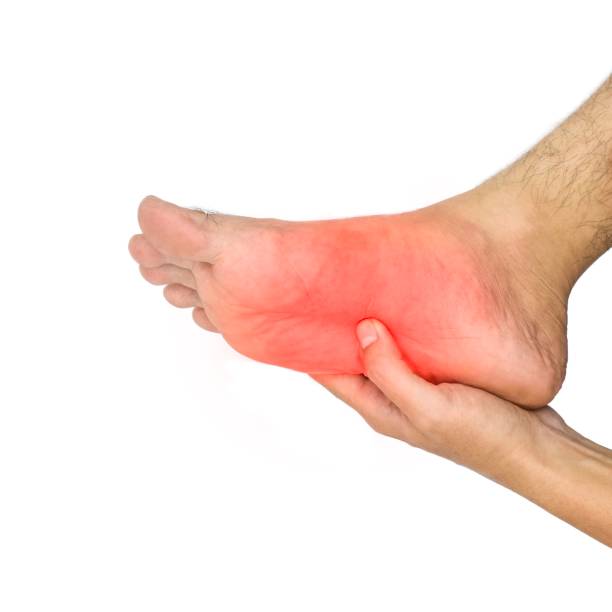
Foot pain can have a significant impact on daily life, affecting everything from walking and exercising to working and completing routine tasks. One of the most common causes of heel pain is plantar fasciitis, a condition that affects the thick band of tissue connecting the heel bone to the toes. While many people experience mild symptoms initially, ignoring the condition can result in plantar fasciitis getting worse, leading to increased discomfort and longer recovery times.
Fortunately, effective treatment options are available. Individuals seeking foot pain treatment in KL now have access to modern rehabilitation techniques that focus on reducing pain, improving mobility, and addressing the underlying causes of the condition. Understanding why plantar fasciitis progresses and how it can be managed is essential for achieving long-term relief.
What Is Plantar Fasciitis?
The plantar fascia is a strong band of connective tissue located on the bottom of the foot. It plays a critical role in supporting the arch and absorbing shock during movement.
Plantar fasciitis occurs when this tissue becomes irritated or inflamed due to excessive stress and repetitive strain. The condition commonly causes sharp heel pain, especially during the first few steps in the morning or after prolonged periods of rest.
Although the discomfort may initially seem minor, untreated plantar fasciitis can gradually worsen and interfere with everyday activities.
Why Is Plantar Fasciitis Getting Worse?
Many individuals delay treatment because symptoms may come and go during the early stages. However, several factors can contribute to worsening symptoms over time.
Continuing High-Impact Activities
Repeated stress on the plantar fascia can slow the healing process.
- Activities such as running, jumping, prolonged standing, or excessive walking place ongoing pressure on the affected tissue. Without adequate recovery time, inflammation may persist and symptoms can become more severe.
- Athletes and individuals with physically demanding occupations are particularly vulnerable because the foot experiences repetitive loading throughout the day.
Wearing Unsupportive Footwear
Footwear plays a major role in foot health.
- Shoes that lack proper arch support or cushioning may increase strain on the plantar fascia, making recovery more difficult and contributing to ongoing discomfort.
- Consistently wearing worn-out footwear can also alter walking mechanics and place additional stress on the heel and arch.
Ignoring Early Symptoms
Delaying treatment often allows the condition to progress.
- Many people attempt to push through discomfort, assuming it will resolve naturally. Unfortunately, untreated inflammation may become chronic, requiring more extensive treatment later.
Common Symptoms of Worsening Plantar Fasciitis
Recognizing symptom progression can help individuals seek timely intervention.
Increased Heel Pain
Pain intensity often increases as the condition worsens.
- Discomfort may become more noticeable during walking, standing, or physical activity and may persist for longer periods throughout the day.
Reduced Mobility
Ongoing pain can affect normal movement patterns.
- Individuals may begin altering the way they walk to avoid discomfort, which can place additional strain on other areas of the body, including the knees, hips, and lower back.
Persistent Morning Stiffness
Morning symptoms are a hallmark of plantar fasciitis.
- As the condition progresses, stiffness and pain upon waking may become more severe and take longer to improve after movement begins.
Risk Factors That Contribute to Plantar Fasciitis
Certain factors increase the likelihood of developing and worsening plantar fasciitis.
Excess Body Weight
Additional weight places greater stress on the feet.
- Increased pressure on the plantar fascia can accelerate tissue irritation and make recovery more challenging.
Tight Calf Muscles
Limited flexibility affects foot mechanics.
- Tight calf muscles can increase tension throughout the foot and contribute to excessive strain on the plantar fascia during walking and exercise.
Poor Biomechanics
Structural and movement-related issues can influence foot health.
- Flat feet, high arches, or abnormal walking patterns may place uneven stress on the plantar fascia and increase the risk of persistent symptoms.
Foot Pain Treatment in KL and Modern Rehabilitation Approaches
Individuals seeking foot pain treatment in KL often benefit from comprehensive treatment programs designed to address both symptoms and underlying causes.
Physiotherapy and Rehabilitation
Physiotherapy is one of the most effective non-surgical treatment options for plantar fasciitis.
- Treatment programs often include stretching exercises, strengthening routines, manual therapy, and mobility training that help reduce pain while restoring normal foot function.
- Personalized rehabilitation plans are tailored to each individual’s symptoms, lifestyle, and activity level to maximize recovery outcomes.
Targeted Stretching and Strengthening
Exercise plays an important role in recovery.
- Specific stretches for the plantar fascia and calf muscles help improve flexibility, while strengthening exercises support the foot’s natural structures and improve stability.
Gait and Movement Assessment
Walking patterns can influence symptom progression.
- Healthcare professionals may evaluate movement mechanics and recommend modifications that reduce stress on the plantar fascia and promote more efficient movement.
Practical Tips to Prevent Further Worsening
Early action can significantly improve recovery outcomes and reduce long-term complications.
Choose Supportive Footwear
Proper footwear provides essential support.
- Shoes with good arch support and adequate cushioning help distribute pressure more evenly across the foot and reduce strain on sensitive tissues.
Maintain a Healthy Activity Balance
Rest and activity should be balanced carefully.
- While movement remains important, avoiding excessive high-impact activities during flare-ups allows the plantar fascia time to heal more effectively.
Perform Regular Stretching
Flexibility supports foot health.
- Consistent stretching of the calves, Achilles tendon, and plantar fascia helps reduce tension and improve overall foot function.
When to Seek Professional Help
Although mild symptoms may improve with self-care, certain situations require professional evaluation.
Individuals should seek medical attention if they experience:
- Persistent heel pain that continues for several weeks despite rest, stretching, and footwear modifications, making daily activities increasingly difficult.
- Symptoms that worsen over time or begin affecting walking patterns, mobility, and overall quality of life.
- Severe pain, swelling, or limitations that interfere with work, exercise, or routine responsibilities.
Early intervention often leads to faster recovery and helps prevent chronic complications.
Conclusion
Experiencing plantar fasciitis getting worse can be frustrating, especially when foot pain begins to affect mobility and everyday activities. Fortunately, effective treatment options are available. By understanding the causes of symptom progression and seeking appropriate care, individuals can reduce pain, improve function, and support long-term foot health.
For those exploring foot pain treatment in KL, modern physiotherapy and rehabilitation programs provide comprehensive solutions that address both symptoms and underlying biomechanical issues. Taking action early can make a significant difference in recovery and overall quality of life.
If heel pain is limiting your daily activities or you feel your plantar fasciitis is getting worse, don’t wait for symptoms to become more severe. Consult a qualified healthcare professional or physiotherapist today to receive a personalized treatment plan and take the first step toward lasting foot pain relief and improved mobility.